
Do You Have to Pay VAT on a Personal Alarm
Do You Have to Pay VAT on a Personal Alarm in the UK? A Clear Guide for Families
If you’re exploring support for a loved one at home, whether that’s carers, mobility aids, or safety tech, you might be wondering: if you have to pay VAT on a personal alarm. Understanding the rules can save you money and help with planning for care at home.
In the UK, most goods and services are subject to VAT at a standard rate of 20%, but there are important exemptions and zero-rating rules for products designed to support people with disabilities or long-term health conditions.
What Counts as a Personal Alarm?
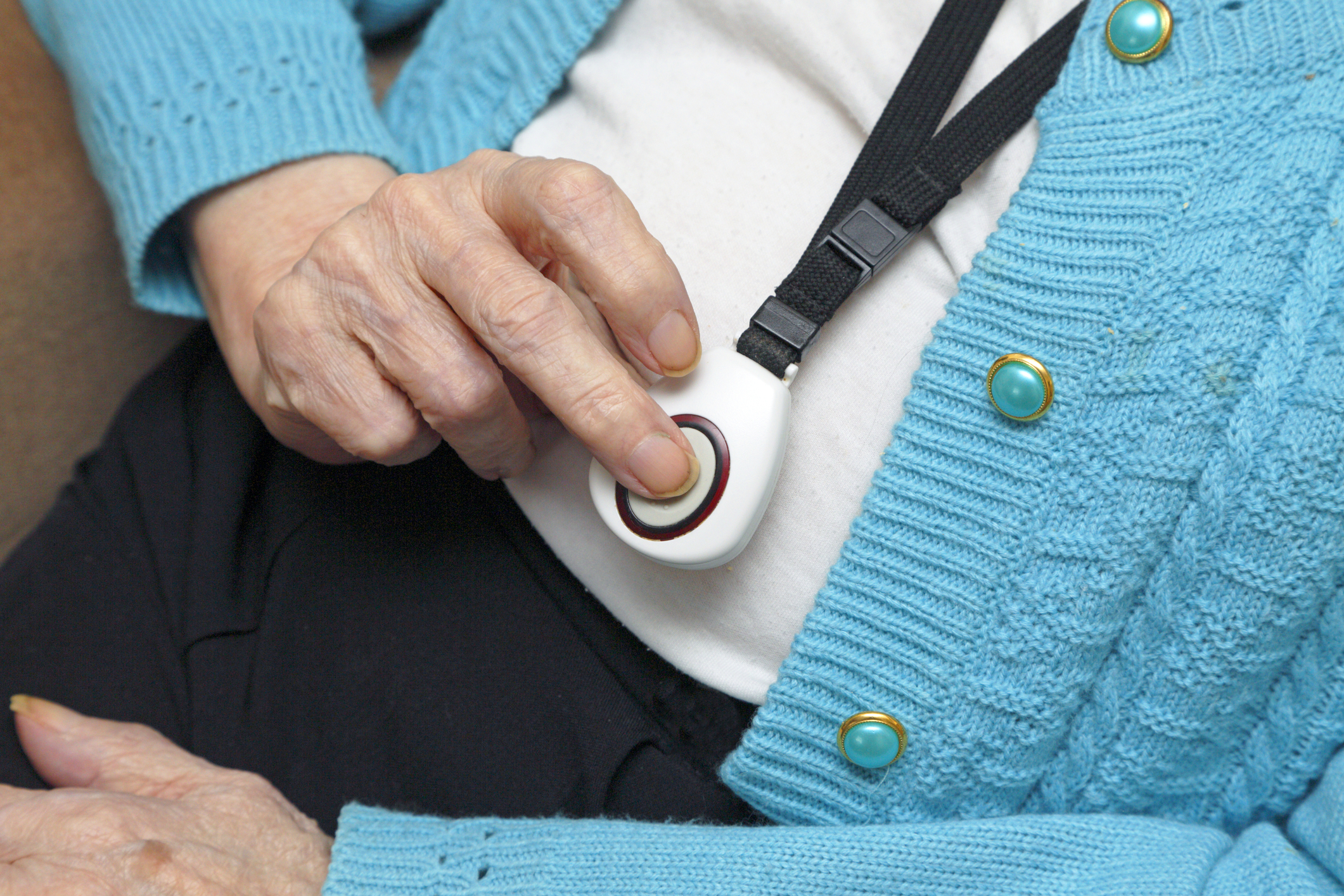
A personal alarm is a device that lets someone at home call for help quickly — often with the press of a button on a pendant or wrist unit. These systems are commonly used by older adults, people with mobility issues, chronic health conditions, or anyone who may be at risk of falls or needs reassurance when living independently.
In many cases, a personal alarm will connect the user to a control centre or a pre-set contact who can arrange assistance if needed.
When You Don’t Have to Pay VAT
Here’s the good news: many UK customers do not pay VAT on personal alarm systems and that’s because of how VAT rules treat disability and long-term illness.
Under UK VAT rules, certain goods and services designed solely for use by disabled or chronically sick people are zero-rated — meaning no VAT is charged by the supplier. This applies to emergency alarm systems that are designed specifically for use by someone with a disability or long-term health condition.
In practical terms:
- If the person who will use the alarm has a physical or mental impairment that substantially affects their daily life
- Or they have a condition that is treated as chronic by a medical professional (e.g., diabetes, arthritis, dementia, Parkinson’s etc.)
Then you may be eligible for VAT exemption when purchasing or renting a personal alarm.
Some alarm providers report that the vast majority of their customers qualify for VAT exemption because they meet these criteria.
Important: VAT relief applies to the individual’s eligibility, not their age alone. Simply being over a certain age (e.g., 65+) doesn’t automatically make the alarm VAT-free — the personal circumstances and health condition matter.
How to Claim VAT Exemption
If you think you might qualify, here’s generally what happens:
- Online ordering: Some suppliers let you tick a “VAT exemption” option during checkout and ask for a short declaration explaining why you qualify.
- Phone ordering: If you order by phone, the sales team will usually ask whether the person meets the criteria and help complete the exemption process.
- Documentation: You don’t normally need official medical reports, a clear declaration of the condition is usually sufficient, as long as it meets the VAT guidance.
Be aware that not everything associated with an alarm may be exempt — for example, a key safe (a safety box for house keys) is often not eligible for VAT relief under current rules.
What If I’m Not Eligible for VAT Relief?
If you don’t qualify for VAT exemption — perhaps because the person doesn’t have a qualifying condition or their needs are temporary — then you would pay the standard VAT rate on the personal alarm or accessory.
Even without a VAT exemption, personal alarms can still be a valuable tool for keeping someone safe at home, especially when paired with appropriate home care support.
Other Funding and Support Options
If VAT relief doesn’t apply, there are other ways to offset costs:
- Council telecare services: Some local authorities provide or subsidise lifeline alarms at reduced cost, sometimes including installation and support.
- Grants and charities: Certain charities or grant-making organisations offer support towards safety equipment or monitors for people with long-term conditions.
Always check with your local council or social care team to see what schemes are available in your area.
Is a VAT-Free Alarm Worth It?
For many families, having a personal alarm — especially one that is VAT-exempt — can provide invaluable reassurance:
- Helps someone stay independent at home
- Reduces anxiety about falls or emergencies
- Complements care visits from carers or helpers
- And can be paired with other support such as home care visits or respite care
Understanding how VAT works means you won’t pay more than you have to — and you might be surprised how many people qualify for relief.
Summary
- Personal alarms are often VAT-exempt in the UK if the user has a long-term impairment or condition.
- To qualify, the alarm must be for personal or domestic use by someone chronically sick or disabled.
- Most customers of personal alarm services report not needing to pay VAT because they meet the criteria.
- Always check the provider’s process for claiming exemption when ordering.
If you’re considering a personal alarm as part of wider home support, including carers, companionship or daily help, understanding VAT exemption could make a real difference to peace of mind and cost.
