
Home Adaptations
Home Adaptations for the Elderly: Making Your Home Safer, Smarter & More Supportive
Whether you have recently found yourself searching for "home adaptations for elderly" residents, wondering "how to make a house safer for ageing parents," or asking "can I get funding for home adaptations"... You’re not alone.
For many families, the first signs that something needs to change aren’t dramatic. They’re subtle. A missed step. A struggle in the bath. A hesitation on the stairs. A parent saying, “I’m fine,” when you know things aren’t quite fine.
The good news? Small, thoughtful home adaptations can dramatically improve safety, confidence and independence, often without the need for major disruption.
Why Home Adaptations Matter
Most older adults want to remain at home for as long as possible. Familiar surroundings protect memory, routine and dignity. But homes built decades ago weren’t designed with ageing in mind.
That’s why making a house safer for ageing parents is often one of the most powerful early interventions families can take.
Done well, adaptations don’t feel clinical. They feel enabling.
Common Home Adaptations for Elderly People
Home adaptations range from simple safety improvements to larger structural changes.
Low-Cost, High-Impact Changes
- Grab rails in bathrooms and near steps
- Non-slip flooring or anti-slip strips
- Improved lighting in hallways and stairs
- Lever taps instead of twist taps
- Raised toilet seats
- Removing loose rugs and trip hazards
These small updates can significantly reduce fall risk — one of the biggest threats to independence.
Age UK provides a helpful overview of practical home adaptations here:
Medium Adaptations
- Walk-in showers or wet rooms
- Stair rails on both sides
- Key safes for emergency access
- Widening doorways for mobility aids
- Lowered kitchen counters
For individuals with mobility changes, Parkinson’s, stroke recovery or early dementia, these changes can restore confidence.
Scope offers detailed guidance on larger adaptations and how assessments work.
Larger Structural Changes
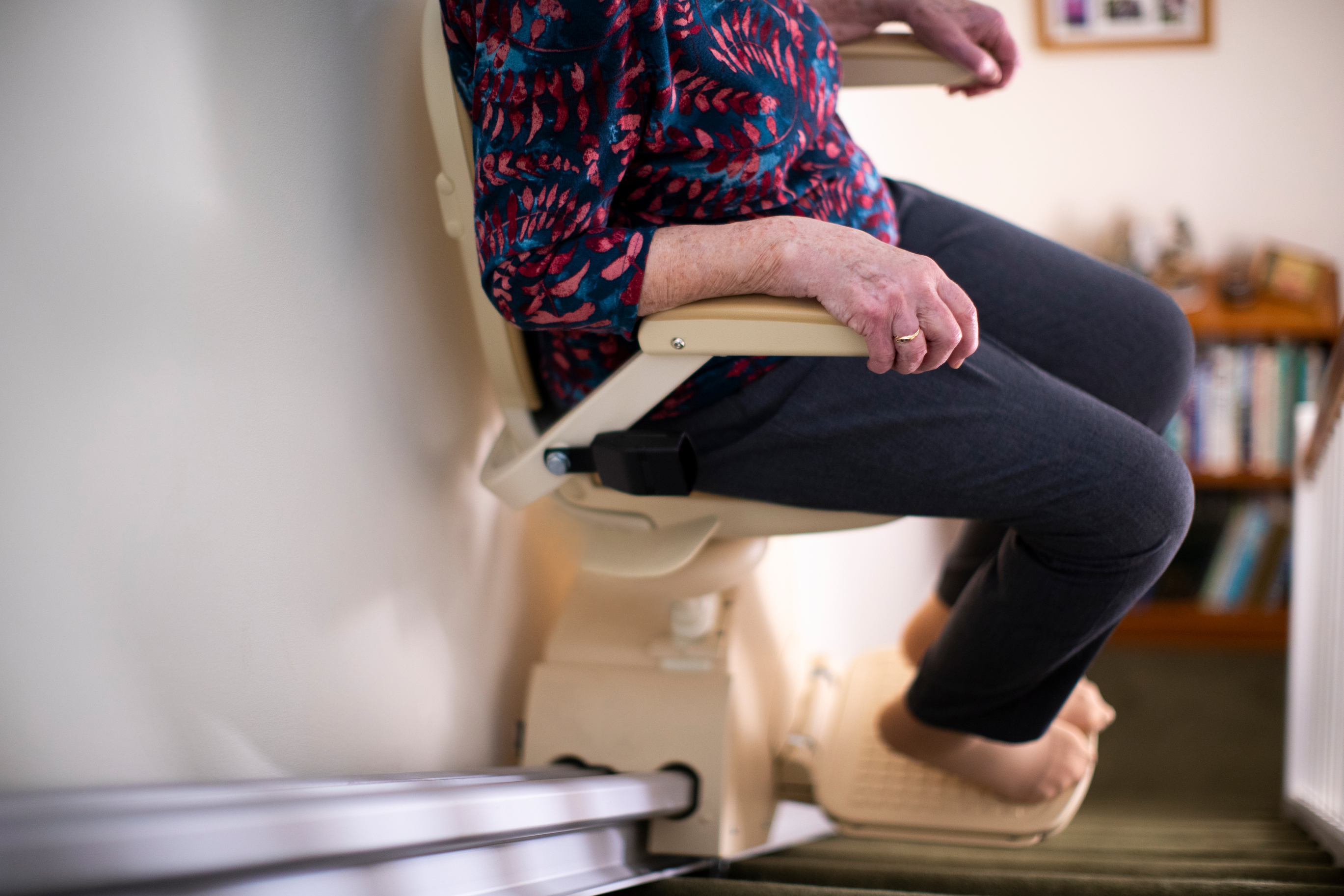
- Stairlifts
- Through-floor lifts
- Ramp access
- Downstairs bedroom conversions
These tend to follow a formal assessment and may qualify for funding.
Can I Get Funding for Home Adaptations in the UK?
This is one of the most important — and misunderstood — questions families ask.
Yes, you may be eligible for funding.
In England, the main route is the Disabled Facilities Grant (DFG), provided through your local council. This can help cover the cost of essential adaptations if the person has a disability or long-term condition.
You can read more about Disabled Facilities Grants here:
Key points:
- Grants can cover major structural work
- The amount available depends on location and financial assessment
- The process usually starts with a local authority occupational therapy assessment
If you’re unsure where to begin, your local council’s adult social care team can advise.
How to Make a House Safer for Ageing Parents (Before a Crisis)
You don’t have to wait for a fall or hospital discharge.
In fact, preventative changes are often the most effective.
Ask yourself:
- Are stairs becoming harder?
- Is bathing now risky?
- Is lighting poor at night?
- Are there signs of reduced mobility or confidence?
Often, families delay because they fear overreacting. But early adaptation protects independence, it doesn’t remove it.
As our founder often says in his videos:
“Great care isn’t about taking over. It’s about putting the right support in place before things become overwhelming.”
When Adaptations Aren’t Enough
Sometimes changes to the home need to sit alongside human support.
For example:
- After a stroke
- With progressing dementia
- Following repeated falls
- When a spouse is struggling to cope alone
In those cases, practical adaptations combined with visiting or live-in care can work beautifully together.
We often see families begin by asking:
- “How do I know when my parent needs care at home?”
- “Is it too soon to look into help?”
Usually, if you’re asking the question, you’re not too early, you’re being thoughtful.
A Smarter Way to Think About Home
Home adaptations aren’t about decline.
They’re about protection.
They allow someone to:
- Keep their routine
- Stay in familiar surroundings
- Maintain dignity
- Feel safer without losing autonomy
And when paired with the right support, whether occasional help or more regular care, they can transform day-to-day life.
If you're exploring how to make your house safer for ageing parents, start with small changes. Ask questions early. Seek assessments before emergencies.
Because the strongest decisions are often preventative ones.
